
PhD at UM6P: a guide for aspiring researchers
My inbox receives many messages from engineers and aspiring academics asking about the application process, research committee expectations, and daily laboratory life at UM6P. I compiled this guide to explain the logistics and expectations from the inside — drawing from my own transition from engineering to academia, and from conversations with candidates across multiple UM6P research centers.
My journey: from engineering to multi-agent RL
I graduated from ENSIAS Rabat as an AI Research Engineer. During my fourth year, I co-authored a peer-reviewed machine learning paper applied to climate data analysis, published in a Springer volume (details here). That experience taught me how research actually works: from literature review to experimental design, data collection, and analysis. It also showed me how much collaboration and mentorship matter in producing quality output.
For my engineering capstone, I completed a research internship at the AI Movement center working on deep reinforcement learning for collaborative target acquisition and coverage optimization in satellite constellations — training RL agents to coordinate satellite clusters for Earth observation. It was the kind of project sitting at the intersection of advanced AI and real-world applications (portfolio).
When application season arrived, I applied to three departments and secured fully funded PhD offers from all of them: the Vanguard center, the Moroccan Center for Game Theory, and the College of Computing. After careful reflection on supervisor expertise, research topic alignment, environment fit, and personal circumstances, I chose the College of Computing. My doctoral research now focuses on adversarial multi-agent reinforcement learning applied to 6G networks, co-supervised by a team from inside and outside the university.
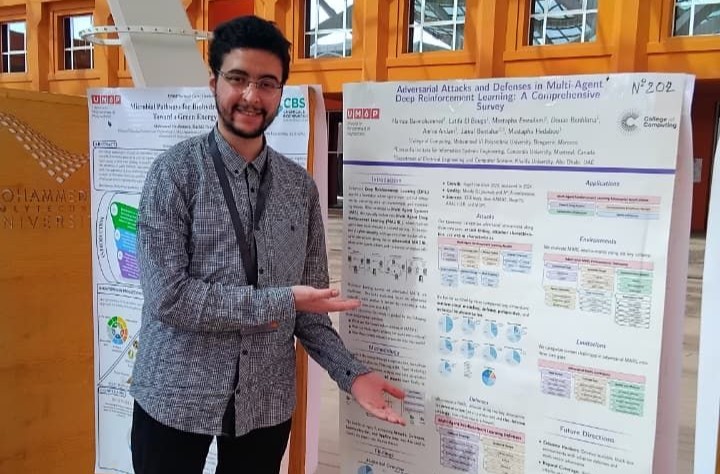
That choice wasn’t easy. But I believe — and hope — it was the right one.
Before you apply: building a credible research profile
The strongest applications don’t start at the application portal. They start months or years earlier, through deliberate preparation that signals genuine research intent.
Get involved in research activity early. Even basic contributions count: participating in a literature review, co-authoring a survey, or assisting a supervisor with data collection. What matters is that you can speak about the scientific method from experience, not theory. My own co-authored ML paper — modest in scope — gave me a concrete reference point in every interview I sat through.
Attend specialized scientific schools. Winter, summer, spring, and fall schools on topics related to your target thesis area are underrated opportunities. They demonstrate focused intellectual interest and equip you with technical vocabulary that resonates with selection committees. When I applied to the MCGT, the panel asked me directly about a game theory winter school I had attended — it was a clear positive signal in their evaluation.
Network deliberately. Follow researchers whose work interests you on academic platforms. Attend scientific events, doctoral days, and conferences — even as an observer. Introduce yourself to PhD students, not just professors. They will give you the most honest picture of lab life, and may put in a quiet word for you.
Collect strong recommendation letters. Generic letters from professors who barely know you carry very little weight. Prioritize letters from supervisors or researchers who have directly observed your technical work — an internship supervisor, a thesis advisor, a co-author. These carry disproportionate influence in the preselection phase.
Understanding the UM6P research ecosystem
UM6P operates several specialized research centers, each with a distinct vocation and research culture. Understanding these differences helps you target your applications strategically. For my case, I applied to three centers with overlapping but distinct focuses. I’ll briefly describe each one to give you a sense of where they fit in the broader research landscape, as well as my graduation internship host:
College of Computing (CC)
Main campus in Benguerir with a specialized campus in Rabat. Benguerir focuses on AI and data science alongside preparatory cycle students; Rabat specializes in cybersecurity. The College covers all academic levels and spans core computer science, artificial intelligence, cybersecurity, distributed systems, and network infrastructure. It maintains extensive international partnerships with over 87 institutions globally, including MIT, Cambridge, EPFL, UC Berkeley, NVIDIA, and Oracle.
AI Movement center (AIM)
Located on the Rabat campus in the AI Dome. Officially the Moroccan International Center for Artificial Intelligence, this is a specialized hub focused on AI applications, ethical deployment, and industrial partnerships. It earned UNESCO Category II Center status in 2023, making it the first AI center of its kind in Africa. A good fit if your interests lie in responsible AI, practical applications, and bridging academia with industry.
Moroccan Center for Game Theory (MCGT)
On the Rabat campus, founded in 2024. Specializes in advanced mathematical modeling, modern economic theory, and algorithmic game theory — Nash equilibria, Pareto optimality, computational game design, and mathematical foundations. Worth exploring if your work sits at the intersection of discrete mathematics, economics, and algorithmic design.
The Vanguard Center
Recently relocated to Rabat. Focused on fundamental and applied mathematics, acting as a bridge between pure mathematical theory and complex computational engineering. Worth considering if your research requires deep theoretical grounding combined with real-world engineering applications.
The selection and interview loop
The initial screen
The process begins with a strict preselection based on your academic file. UM6P receives hundreds of applications for very limited seats, so your CV, cover letter, and transcripts need to stand out immediately.
What gets weighted heavily:
- Strong grades in mathematical and algorithmic courses
- Credible recommendation letters from researchers who can speak to your technical depth
- Prior research or laboratory experience: internships, publications, capstone projects
- Demonstrated interest in research, not just credential-seeking
Before the official departmental interview, individual thesis supervisors sometimes conduct a short informal preliminary conversation — typically 15 to 20 minutes — to gauge your communication style and technical background before moving your file forward.
Inside the committee evaluation
The official interview is an intensive session lasting anywhere from 15 to 90 minutes, conducted by a scientific panel of 3 to 8 professors. These generally follow one of two formats.
Format 1: the technical interview
The panel digs into your background, your engineering projects, and your understanding of the scientific method. They will probe your motivations and test your long-term career vision. Expect discussions of theoretical foundations, field-specific questions, and prompts to contrast different technical concepts.
Format 2: the paper presentation
The committee sends you a scientific paper closely related to the thesis topic a few days before the meeting. You are expected to analyze it thoroughly. During the interview, you present your understanding of its methodology and design choices. Some panels require slides; others prefer a dynamic walkthrough with live questions.
Regardless of format, prepare for a deep technical dive. Expect field-specific questions, requests to walk through mathematical equations, and challenges to defend your reasoning. Research is globally an English-speaking industry, and the primary language of instruction at UM6P is English — though some committees show flexibility toward French or Darija depending on the context.
The predoctoral year: courses and code
For most departments, the first year of the doctoral cycle is structured as a preparatory year that bridges the gap between engineering and autonomous scientific research.
In the College of Computing, the curriculum consists of intensive modules taught by visiting professors from global institutions — around 8 courses throughout the year, each lasting 1 to 2 weeks with an evaluation on the final day. Candidates are required to successfully validate at least 5 of them through written examinations or substantial coding projects. Modules include:
- Introduction to algorithms and complexity, graph algorithms
- Foundations of Machine Learning
- Optimization methods for Machine Learning
- Introduction to Parallelization and HPC
To give a sense of the engineering expectations, here are some repositories from that phase:
- Distributed Computing: Projet_DC
- Concurrency — The Dining Philosophers: dining-philosophers
- High Frequency Graph Computations: HFGC
- Adaptive Boids Simulation: adaptive boids
The engineering bar is real. You will write distributed systems code, implement complex algorithms, debug concurrency issues, and work on large-scale computational problems.
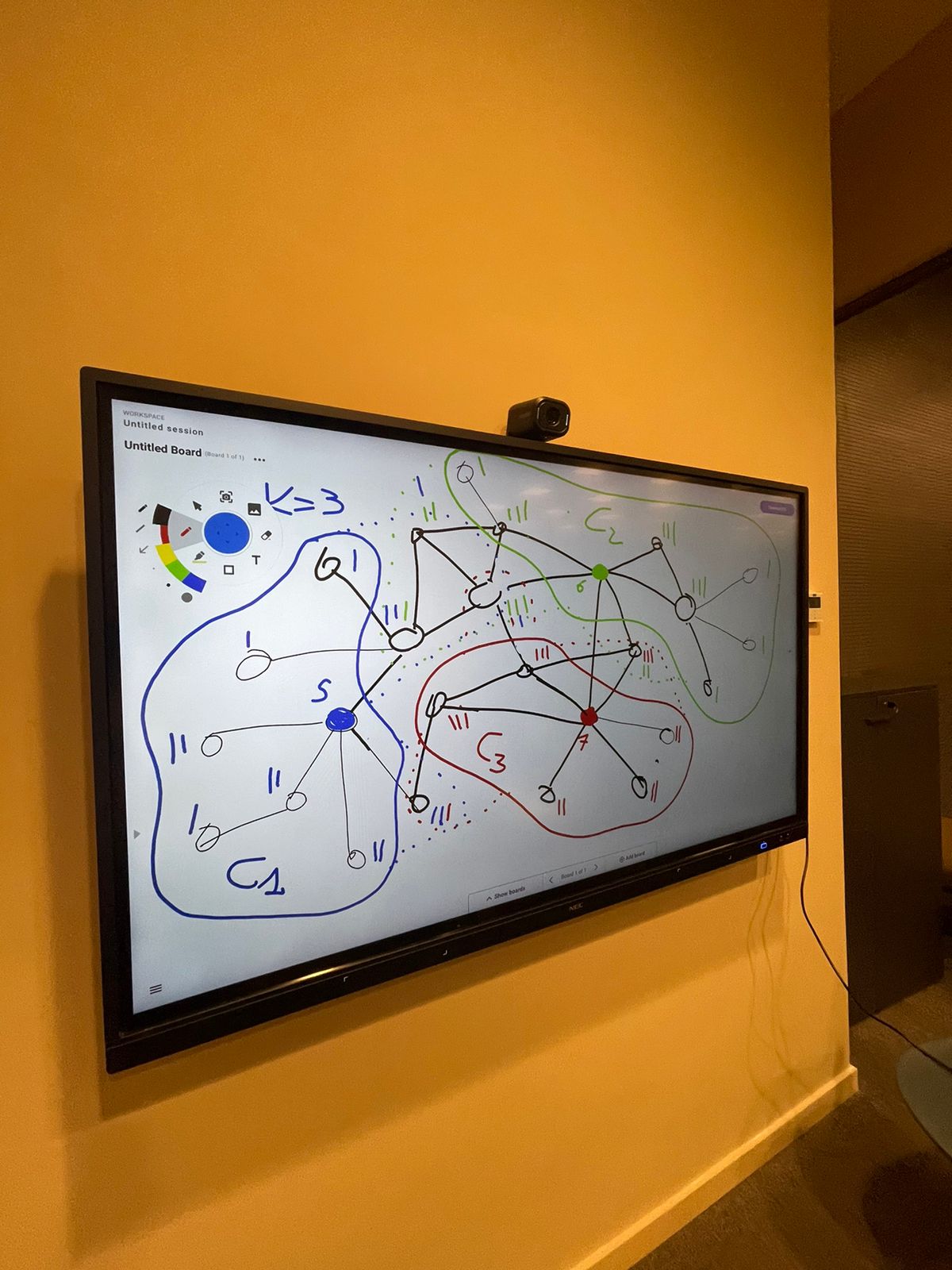
At year-end, rather than defending a completed thesis body, candidates present and defend their formal research plan before a scientific committee — demonstrating that you’ve absorbed the foundational knowledge and have a credible, original research direction. Passing this advances you into full doctoral candidacy.
Funding and commitment
Financial structure
For candidates on standard fellowships, the gross monthly scholarship is 10,000 dirhams. An annual tuition deduction of 10,000 dirhams is split into three installments over the academic year. On-campus housing fees, if applicable, are also deducted directly from the monthly payout.
Note: figures reflect my cohort’s conditions and may evolve. Always verify current terms directly with the relevant department.
Your net monthly income typically lands between 7,000 and 8,500 dirhams depending on housing choices. Modest by international standards, but the university provides substantial in-kind benefits: comprehensive health insurance, on-campus healthcare, and access to campus facilities and subsidized dining.
Housing and transportation
Both Benguerir and Rabat campuses are well-equipped and function as self-contained ecosystems: modern lab spaces, multiple dining halls, fitness centers, sports fields, swimming pools, libraries, mini-markets, ATMs, and on-campus healthcare. On-campus housing range from 1,500 to 3,000 dirhams per month, depending on the space (single room, studio, suite).
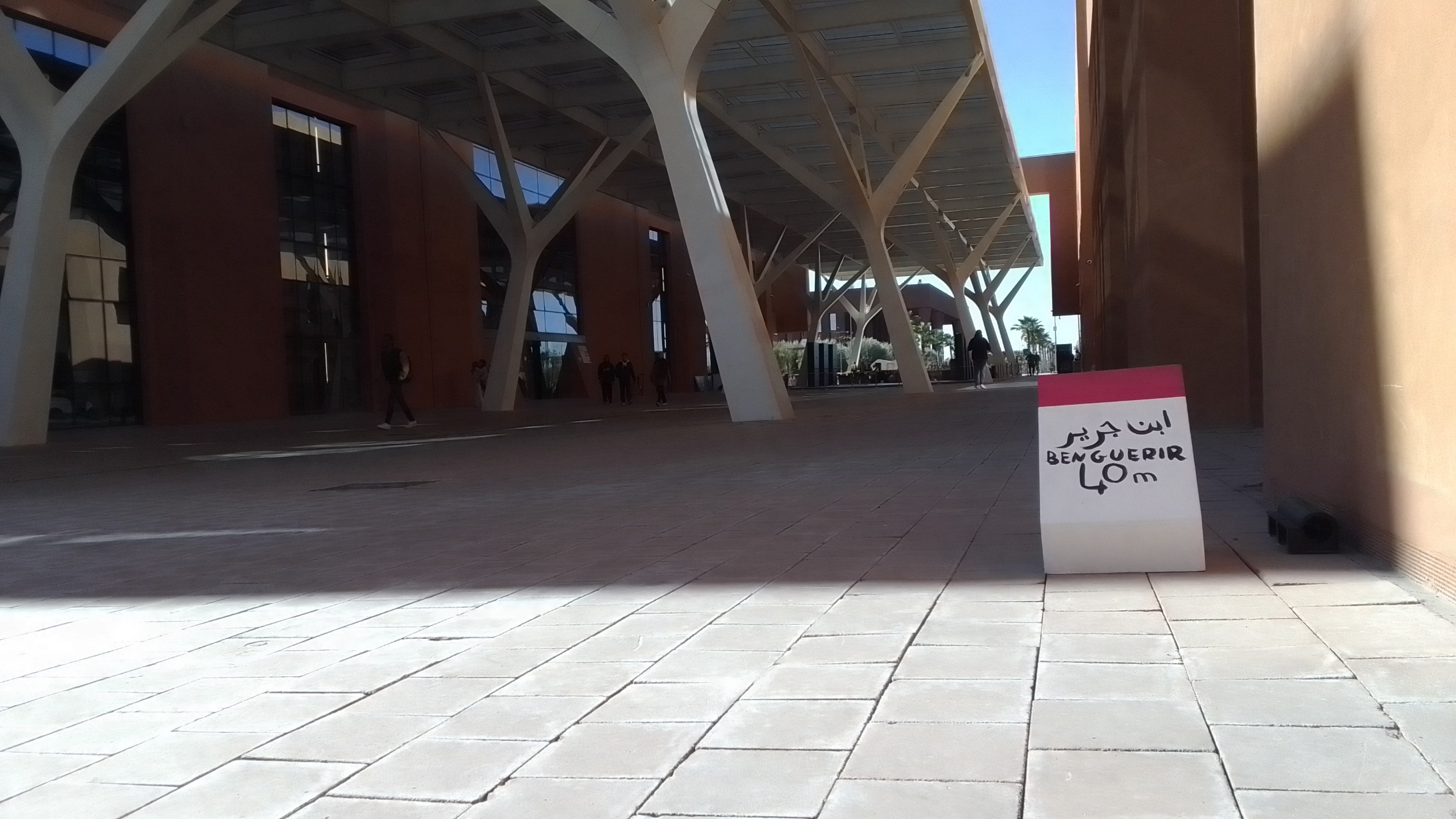
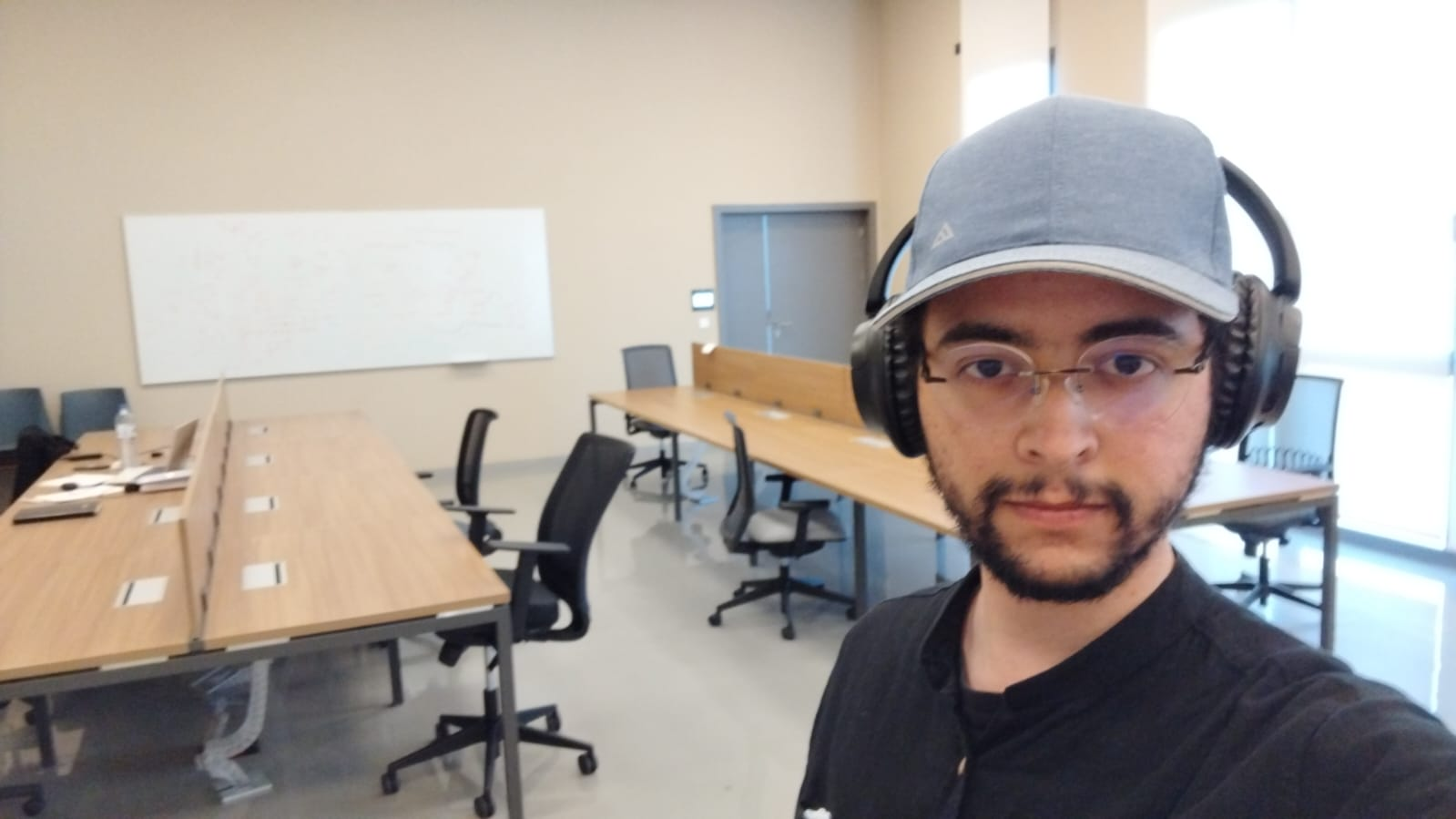
Many researchers choose to live outside the gates. It introduces local logistics — regional transport, limited taxi availability, seasonal weather extremes — but remains a popular choice for those who prefer a distinct personal environment.
Off-campus rent in the city starts around 1,500 dirhams and varies with location and amenities. The closer you live to the campus (Hay Ryad, Hay Nasr, Hay Moulay Rachid), the higher the rent — but also the more convenient your daily commute. Cheapest options are typically found in Hay Jnane El Khir, Hay Saousan, Hay Zaouiya, Hay Chayeb Ainou, and some parts of Hay Ryad, while premium apartments near the university gates can reach 5,000 dirhams per month, in Hay Nasr and Hay Moulay Rachid.
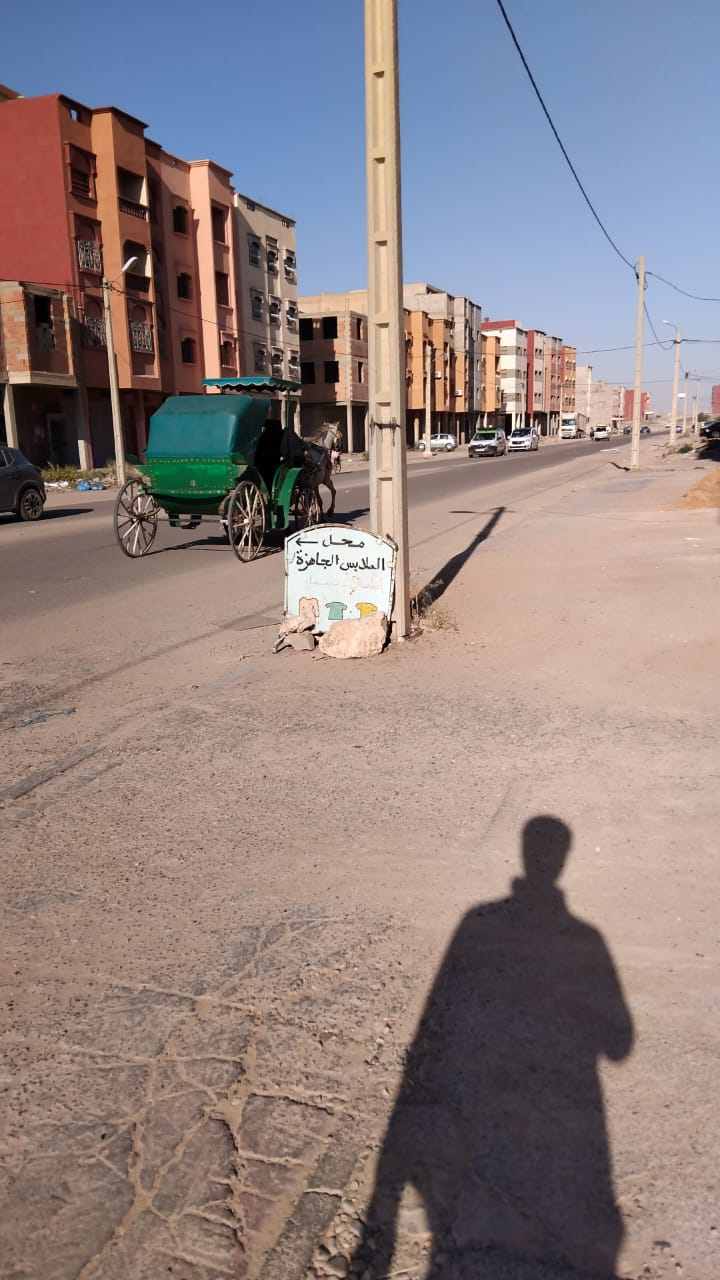
One practical note on timing: rental prices are lowest during March and April. Avoid searching between September–November or January–February, when demand from new students and interns drives prices up sharply. Getting your timing right can save you meaningfully every month.
For Transportation, the university provides a free shuttle service between the campuses and key residential areas. For those living off-campus, taxis are available but can be scarce, and cost between 7 and 20 dirhams per trip depending on distance and whether they use the meter or the fixed fare system, and also whether you called for it on phone (more expensive) or not. The other transportation means are tricycles and horse carts, which are more affordable and available but less comfortable and slower.
The professional schedule
A doctorate here is treated as a full-time professional role. Candidates are expected to be present in the laboratory during standard working hours, five days a week, with one month of annual leave to be approved by your primary supervisor.
The university also recognizes the importance of personal well-being. Candidates are encouraged to manage their time effectively, seek support when needed, and engage in activities that maintain mental and physical health. Campus facilities — fitness centers, sports fields, swimming pools — exist precisely for that reason.
Research quality standards
UM6P maintains a strict stance on the quality and global impact of its scientific output. To graduate, candidates are required to publish in top-tier journals (Q1/Q2) and conferences (A*/A/B). This is not a formality — it is the university’s primary mechanism for ensuring your research is validated by the global scientific community.
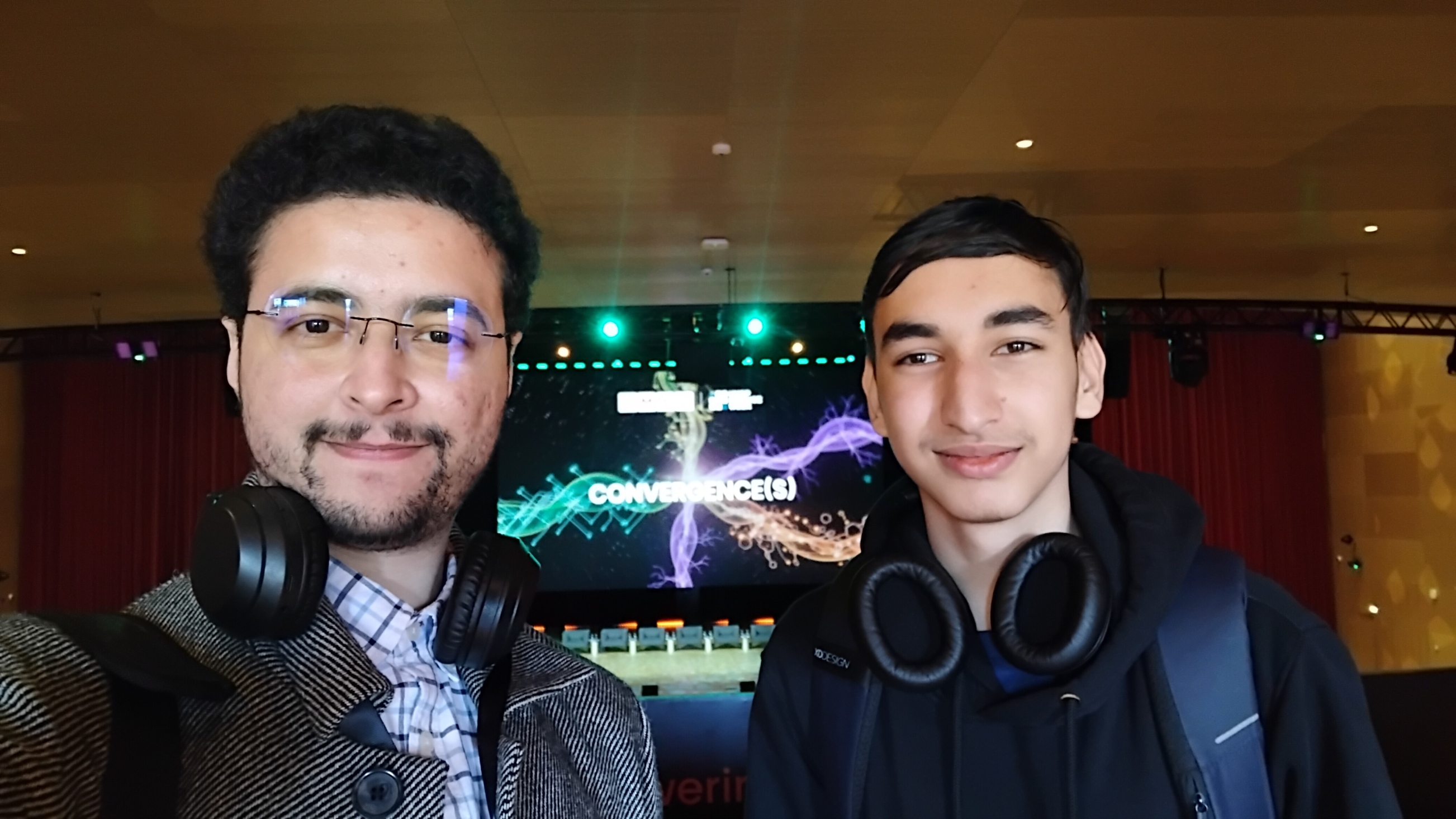
This commitment to publishing excellence is a primary reason why UM6P consistently ranks among the top 400 universities globally (source) — which carries real weight for your degree internationally.
Every doctoral student is also required to complete an international research mobility internship during their four-year cycle, providing global exposure regardless of whether you pursue a formal cotutelle arrangement.
The golden rule: choose your supervisor carefully
If there is one piece of advice that matters above everything else: your choice of supervisor matters more than your thesis title.
Your supervisor shapes your daily working environment, your access to resources, and the balance between guidance and research freedom. A fascinating topic can quickly become overwhelming if working styles don’t align.
Before signing anything, analyze a prospective supervisor’s standing:
- Check their h-index, active projects, and recent publication history in recognized venues. A supervisor who is active in the global community will open doors for your mobility and future placements.
- Reach out to their current doctoral students. Ask about feedback frequency, research autonomy, expectations, and atmosphere. This is the most honest signal you will get.
- Assess their international network. It shapes your own opportunities more than you might expect.
Final thoughts
A PhD at UM6P is not a fast track to prestige. It is a serious investment in your development as an independent researcher. The institution will demand rigor, globally validated output, and professional commitment. You will be challenged, repeatedly.
But if you enter with genuine passion for research and clear expectations about what the journey entails, you will emerge with a credential and a network that opens doors worldwide — and more importantly, with the skills to contribute original knowledge to your field.
Good luck.